UNDERDECK INSULATION
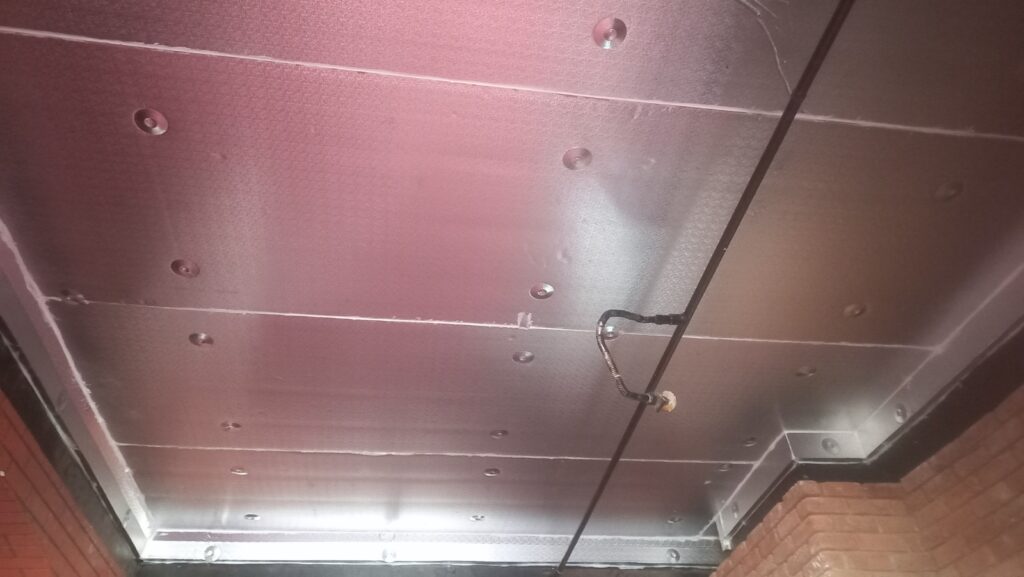
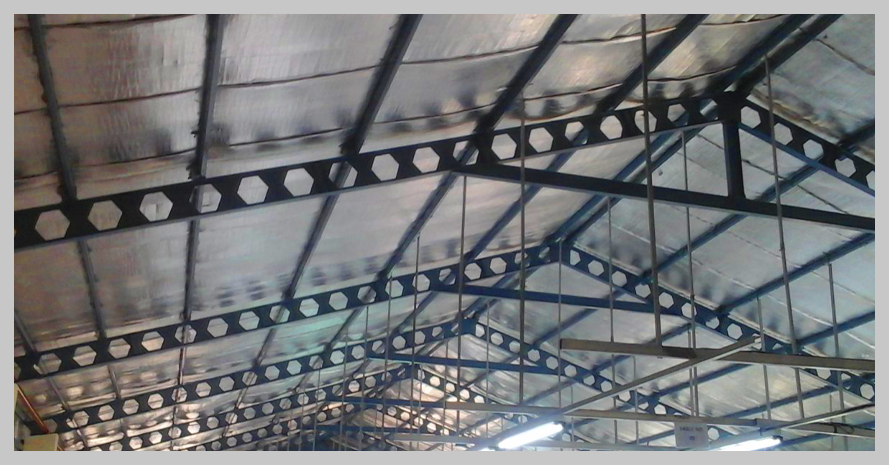
Underdeck insulation refers to the insulation applied to the underside of a building’s roof deck or ceiling. It is typically used in structures with attics or in buildings where the roof is not insulated from the interior, such as certain types of warehouses, industrial buildings, or homes with vaulted ceilings. The goal of underdeck insulation is to enhance energy efficiency by reducing heat transfer, maintaining interior temperature control, and improving comfort.
Key purposes of underdeck insulation include:
- Thermal insulation: By insulating the underside of the roof deck, it helps reduce heat transfer between the attic or roof space and the living areas below, keeping the indoor temperature stable and improving energy efficiency.
- Soundproofing: Underdeck insulation can also help reduce noise transmission between the roof and the interior, making the building quieter by absorbing sounds from external sources like rain or wind.
- Energy savings: It reduces the need for additional heating or cooling, as the insulation helps keep heat in during the winter and out during the summer.
Materials commonly used for underdeck insulation include:
Fiberglass: A cost-effective and widely used insulation material that provides good thermal and soundproofing properties.
Spray foam: Offers high performance in terms of both air sealing and insulation, filling gaps and cracks in the underdeck area.
Rigid foam boards: These can be installed beneath the roof deck, providing thermal resistance and moisture control.
Mineral wool (rock wool): This material has good thermal and soundproofing properties and is also fire-resistant.
Reflective insulation: Often used in combination with other materials, reflective insulation reflects radiant heat away from the building, particularly useful in warmer climates.
PIR Panels
Underdeck insulation is particularly valuable for homes and commercial buildings in areas with extreme temperatures or climates that experience significant seasonal changes. It helps reduce heating and cooling costs while contributing to the overall comfort of the building.