
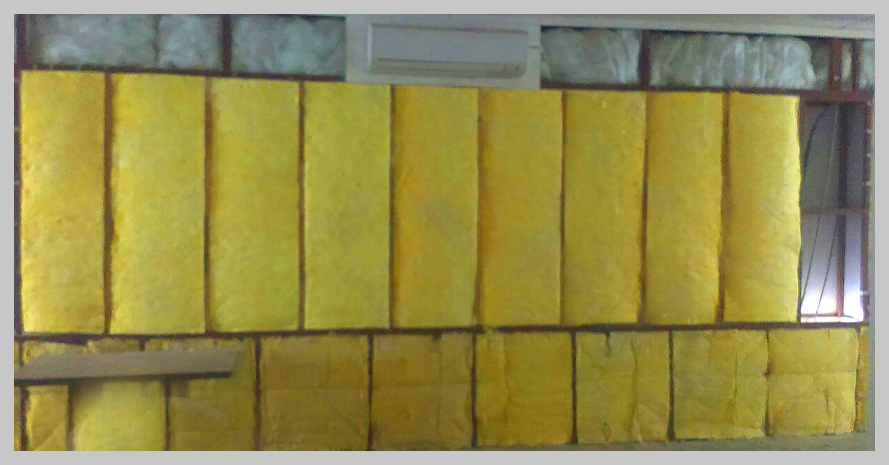
ACOUSTIC INSULATION
Acoustic insulation refers to materials or systems used to reduce the transmission of sound between spaces or from external sources, improving soundproofing and noise control. It works by absorbing or blocking sound waves, preventing them from traveling through walls, floors, ceilings, and other surfaces. Acoustic insulation is essential in various settings to enhance privacy, comfort, and the overall acoustic environment.
Key purposes of acoustic insulation include:
- Soundproofing: To reduce noise transmission between rooms or from external sources, ensuring quieter and more comfortable spaces.
- Noise reduction: To control unwanted noise, making environments like offices, residential areas, schools, and hospitals more peaceful.
- Improving sound quality: In spaces like recording studios, theaters, or concert halls, acoustic insulation helps optimize sound quality by controlling reverberation and echo.
- Enhancing privacy: In buildings such as apartments, hotels, or offices, it prevents sound leakage between rooms, ensuring better privacy for occupants.
Common materials used for acoustic insulation include:
Mineral wool (rock wool or slag wool): Known for its excellent sound-absorbing properties, often used in walls, ceilings, and floors.
Fiberglass: Another widely used material that absorbs sound well, especially in ceilings and partition walls.
Acoustic foam: Specialized foam panels designed to absorb sound and reduce echo, commonly used in music studios, home theaters, and other noise-sensitive environments.
Polyurethane foam: Used in various forms to absorb sound and reduce noise transmission.
Acoustic insulation is commonly used in the construction, automotive, industrial, and entertainment industries to create quieter, more comfortable environments and improve sound quality.
