
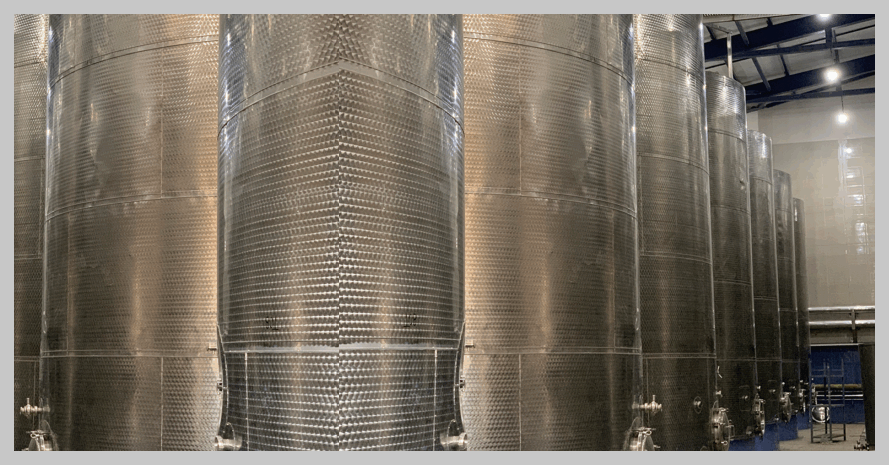
COLD INSULATION
Cold insulation refers to thermal insulation systems designed to prevent heat gain and reduce the transfer of heat into cold surfaces or environments. It is primarily used in applications where materials or equipment are maintained at low temperatures, such as refrigeration, cryogenics, and air conditioning systems. Cold insulation helps to keep the desired temperature inside insulated areas while preventing external heat from warming them up.
The main purposes of cold insulation are:
- Preventing heat gain: Cold insulation ensures that heat from the surrounding environment doesn’t enter the cold space, helping to maintain the desired low temperature.
- Energy efficiency: By minimizing heat gain, cold insulation reduces the workload on cooling systems, saving energy and improving overall system efficiency.
- Condensation prevention: Cold insulation helps maintain the surface temperature of pipes, tanks, and equipment above the dew point, preventing condensation that can lead to corrosion, water damage, and energy losses.
- Safety: Insulating cold systems helps prevent contact with extremely cold surfaces, reducing the risk of frostbite or other cold-related injuries.
Common materials used for cold insulation include:
Polyurethane (PU) foam: Offers excellent thermal performance and is widely used in refrigeration and HVAC systems.
Extruded polystyrene (XPS): A rigid foam material often used for cold insulation in buildings and refrigerated storage.
Fiberglass: Used in both hot and cold insulation applications, though it is more commonly associated with cold systems when faced with moderate temperature conditions.
Cellular glass: A high-performance insulation material, especially for cryogenic and low-temperature applications.
Mineral wool: Can also be used for cold insulation in certain conditions, though it may have lower thermal resistance compared to other materials.
- Cold insulation is vital in industries like food storage, pharmaceuticals, liquefied natural gas (LNG), and any sector where maintaining low temperatures is crucial to product integrity and operational efficiency.
